Wearable Tech Boosts Mobile Sports Bettors' Real-Time Choices
Written by Cameron Neumann · Sep 28, 2026
Wearable Tech Boosts Mobile Sports Bettors' Real-Time Choices
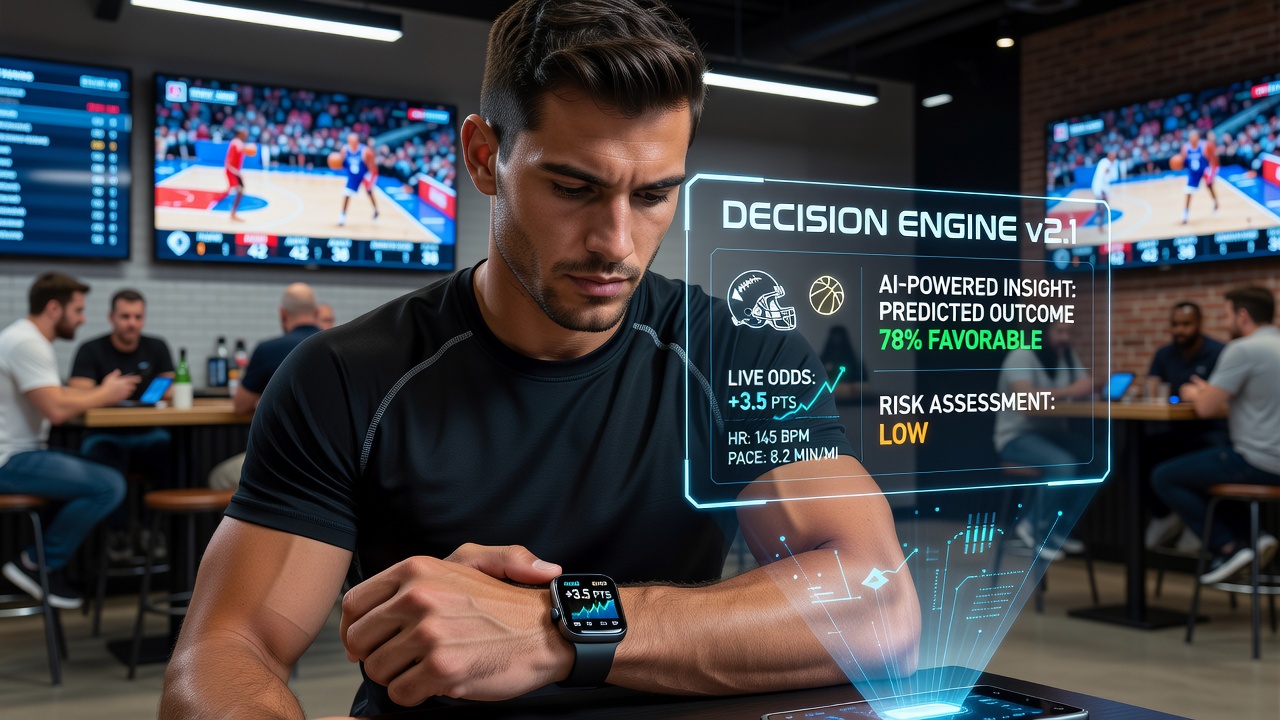
Smartwatches and fitness bands now feed live sports data straight to bettors through mobile apps, and this setup lets users review odds, track scores, and place wagers without reaching for their phones every time. Device makers and betting platforms have built direct connections since 2024, so heart rate monitors and GPS trackers work alongside betting software to deliver instant alerts during games. Data from industry reports show adoption rates climbed steadily through 2025, with major operators adding wearable support in markets across North America and Europe.
Core Integration Features in Current Apps
Betting applications pull sensor information from wearables to trigger context-aware notifications, while users receive updates on player performance metrics or shifting odds through vibration patterns and small screen displays. Research from the International Gaming Institute at UNLV indicates that these connections reduce the time between an event change and a bet placement by several seconds on average. Operators use Bluetooth links to sync live feeds, and the systems handle everything from soccer match updates to basketball point spreads without requiring constant phone checks.
Voice commands on certain smartwatch models allow quick bet confirmations when hands stay occupied, and this approach gained traction after platform updates rolled out in early 2025. Those who tested early versions reported smoother workflows during live events, although accuracy still depends on stable network connections and proper device pairing. Developers continue refining the handoff between wearable sensors and backend betting engines to minimize delays.
Biometric Signals and Decision Support
Some platforms now incorporate basic biometric readings such as elevated heart rates or movement patterns to suggest cooling-off prompts during high-intensity betting sessions. This feature draws from health data already collected by fitness bands, yet it remains optional and separate from core wagering functions. Figures from a 2025 Canadian regulatory review highlighted increased use of such tools among frequent mobile users, though the data focused mainly on session length rather than outcomes.
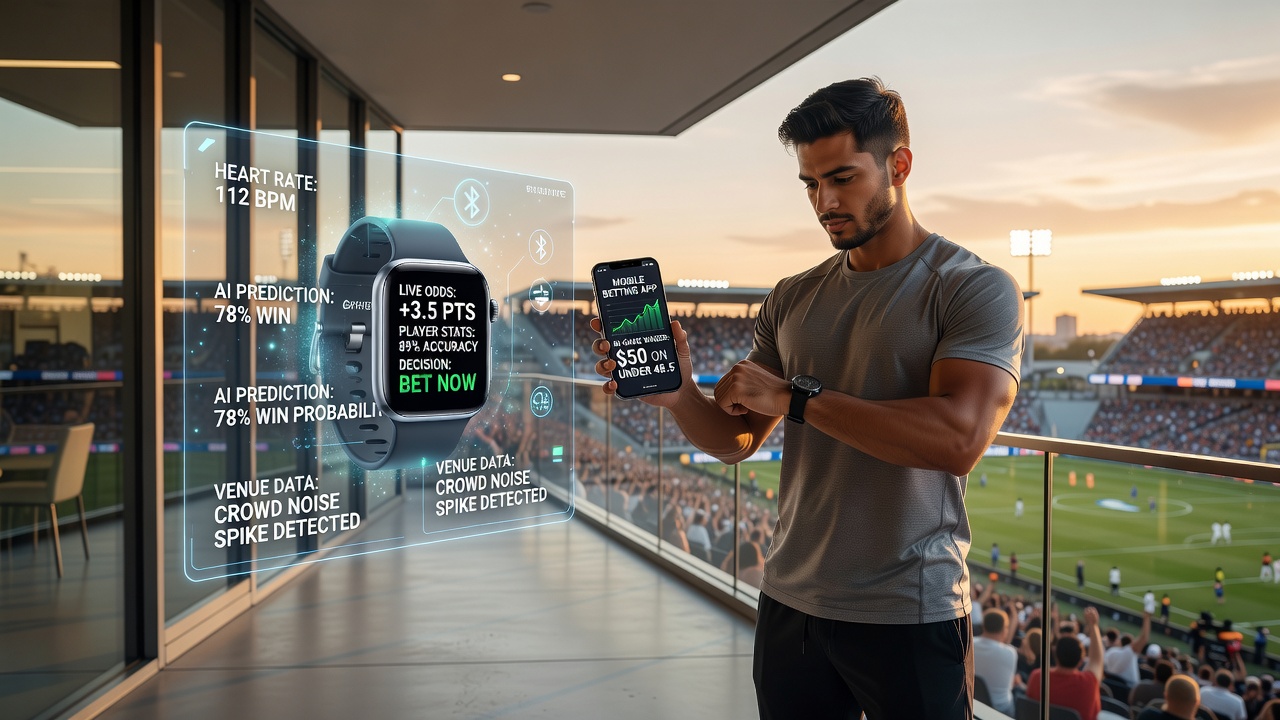
Real-time decision tools also include location-based filters that activate when wearables detect travel across state lines or international borders. These filters help ensure compliance with varying rules, and they adjust available markets automatically once the device registers a new position. Observers note that the combination keeps bettors informed while respecting geographic restrictions without extra manual input.
Market Developments Through September 2026
By September 2026 several operators expanded wearable partnerships to include advanced analytics layers that combine historical performance data with current match conditions. These layers appear as compact summaries on watch faces, allowing bettors to compare expected values across multiple outcomes in one glance. Trade group reports from the European Betting and Gaming Association documented a rise in multi-device sessions during major tournaments that year, with wearable traffic accounting for a growing share of total activity.
Hardware improvements played a role too, since newer watch models added brighter displays and longer battery life suited for extended events. Software updates from betting firms focused on reducing data usage so the features worked reliably on various mobile networks. People who follow league schedules closely often find these compact interfaces helpful when following several games at once.
Challenges and Platform Adjustments
Security remains a priority because wearable connections transmit sensitive account details alongside betting selections. Providers added encryption layers and biometric login options such as fingerprint or facial recognition tied to the watch itself. Studies from Australian research centers have examined these security setups, and the findings point to steady progress in preventing unauthorized access during live sessions.
Battery drain and connectivity drops still surface in user feedback, especially during crowded stadium environments where signal interference occurs. Developers responded with background sync options that prioritize essential updates while conserving power. The result keeps most sessions stable even when events run long into extra time or overtime periods.
Future Directions for Wearable Betting Tools
Additional sensors in upcoming wearable lines could expand the range of real-time inputs available to decision engines, from environmental data like temperature to more detailed motion tracking. Industry analysts expect continued testing of these inputs in controlled pilots before wider release. Regulatory bodies in multiple regions continue reviewing how such integrations affect player behavior and platform responsibility measures.
Overall the shift toward wearable support has produced measurable changes in how mobile sports bettors interact with live markets, and the pattern shows no sign of slowing as hardware and software continue to align more closely.
Conclusion
Wearable integration has created direct pathways for faster information flow in mobile sports betting environments, and the available data confirm steady growth in both adoption and feature depth across different markets. The combination of sensor inputs, compact interfaces, and compliance tools supports quicker choices while fitting existing device ecosystems. Ongoing refinements address technical hurdles and expand the types of data that reach users during active events.