Cross-Border Data Sharing Protocols Redefining Compliance Checks for Digital Sportsbook Operators in Emerging Markets
Written by Cameron Neumann · Sep 14, 2026
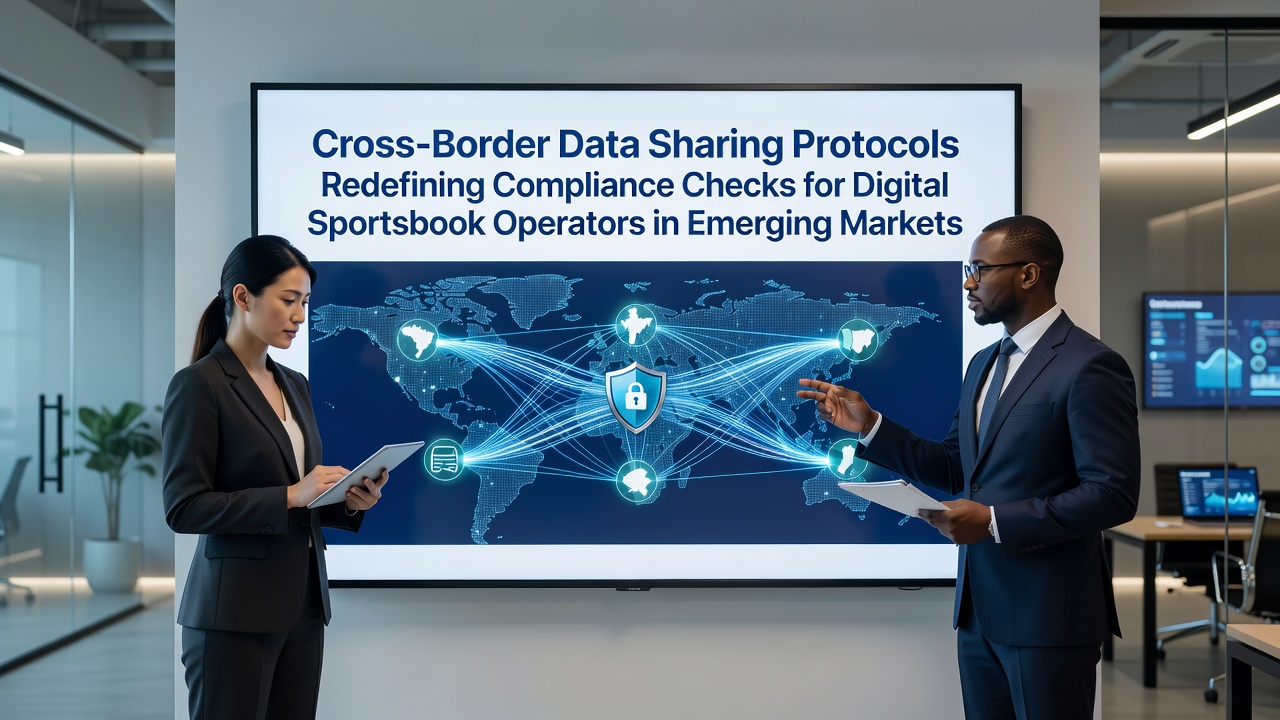
Cross-Border Data Sharing Protocols Redefining Compliance Checks for Digital Sportsbook Operators in Emerging Markets
Digital sportsbook operators in emerging markets face shifting compliance requirements as cross-border data sharing protocols gain traction among regulators, and these frameworks connect licensing authorities across jurisdictions to streamline verification processes while addressing money laundering risks and player protection standards. Research from international bodies shows that protocols built on standardized data formats allow regulators in one country to access transaction records and identity checks from operators licensed elsewhere, reducing duplication and accelerating approval timelines for market entry.
Protocol Frameworks and Regulatory Adoption
Countries across Latin America, Southeast Asia and parts of Africa have begun aligning their data exchange standards with guidelines issued by organizations such as the Financial Action Task Force and regional economic communities, and this alignment means operators must transmit structured datasets covering customer due diligence, bet settlement logs and suspicious activity indicators through secure application programming interfaces. Data indicates that by early 2026 several markets including Brazil and Kenya had incorporated mandatory fields for cross-border queries into their licensing conditions, forcing platforms to upgrade backend systems to support real-time responses.
Observers note that these protocols often incorporate encryption layers and audit trails required under data protection rules modeled on frameworks from the European Union and the Asia-Pacific Economic Cooperation, while local regulators retain control over which fields they query and how often. One study released by a research institute in Singapore highlighted how joint testing between Brazilian and Malaysian authorities demonstrated reduced processing times for operator audits when shared data replaced repeated manual submissions.
Impact on Operational Compliance
Operators expanding into multiple emerging markets now integrate compliance modules that automatically route data packets to designated regulatory endpoints, and this automation cuts the time spent on periodic reporting cycles. Figures from industry associations reveal that platforms adopting these shared protocols reported a measurable drop in administrative overhead compared with pre-2025 manual filing methods, although initial setup costs for API certification remain significant for smaller entrants.

What's interesting is how these systems also support ongoing monitoring rather than one-time checks, so regulators can flag discrepancies in player location data or unusual betting patterns across borders without issuing separate information requests. Experts at a Canadian research center documented cases where shared access helped identify operators attempting to circumvent restrictions in one jurisdiction by routing activity through another, leading to coordinated license reviews.
Technological and Legal Considerations
Secure data exchange relies on standardized schemas such as those promoted by the International Organization for Standardization for financial messaging, combined with blockchain-based logging in some pilot programs to create immutable audit records. Regulatory bodies in Australia and South Africa have tested these hybrid approaches, and results show improved traceability for cross-jurisdictional investigations without compromising operator confidentiality agreements.
Legal harmonization efforts continue, with September 2026 set as a target date for several bilateral agreements between African and Latin American regulators to activate full mutual query rights under updated data sharing memoranda. Those agreements specify retention periods, access revocation procedures and penalties for unauthorized disclosures, giving operators clearer operational boundaries.
Market-Specific Developments
In Brazil, the national lottery and gaming oversight agency has required foreign-licensed sportsbooks to maintain local data mirrors that feed into the regional sharing network, whereas operators in Vietnam work through industry consortia to meet similar demands from the Ministry of Finance. Reports compiled by academic researchers at a university in Mexico show that markets adopting these protocols early experienced faster growth in licensed operator numbers compared with regions still relying on isolated national databases.
Yet challenges persist around varying definitions of personal data and differing consent requirements, so platforms must maintain jurisdiction-specific filters even while using a common transmission layer. Industry groups have begun publishing interoperability checklists to help operators navigate these differences without duplicating infrastructure investments.
Conclusion
Cross-border data sharing protocols continue to reshape how compliance checks operate for digital sportsbook operators across emerging markets, and the trend points toward greater interconnection among regulatory systems. As more jurisdictions activate query capabilities and refine technical standards, operators gain predictable pathways for multi-market expansion while regulators obtain tools for coordinated oversight. The developments scheduled around September 2026 will likely accelerate this integration, provided participating authorities maintain consistent security and access controls.